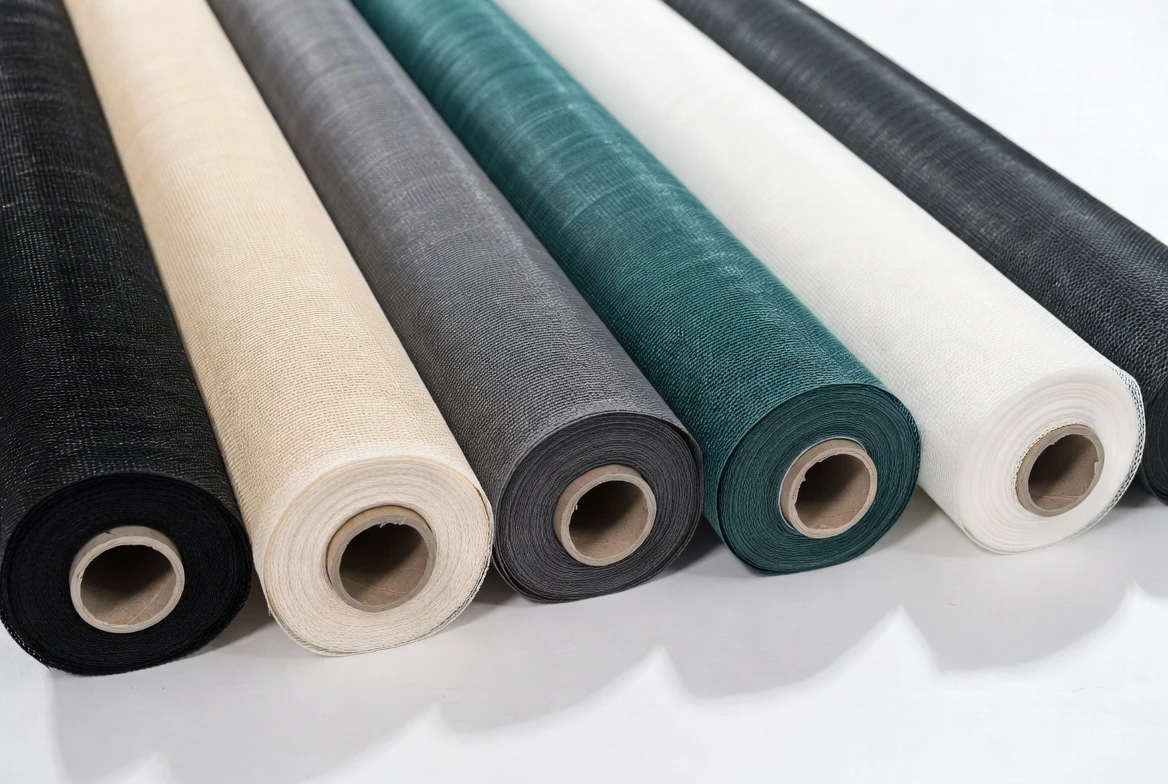
When choosing new screen material for your pool cage, lanai, patio, or screen enclosure, one of the most common questions homeowners ask is:
Should I choose polyester screen or fiberglass screen?
Both materials are widely used in Florida, but they perform very differently when it comes to durability, visibility, weather resistance, and long-term value. In this article, we’ll explain the key differences so you can choose the best screen for your home.
What is fiberglass screen?
Fiberglass screen is the traditional screen material commonly used in many older pool cages and lanais. It is lightweight, flexible, and usually the most affordable option available.
Benefits
- Lower initial cost
- Good airflow
- Easy to install
- Commonly available
Downsides
- Tears more easily
- Can become brittle under Florida sun exposure
- Less resistant to strong winds and storms
- More likely to sag over time
- Shorter lifespan compared to upgraded materials
Fiberglass works for basic applications, but many homeowners end up replacing it sooner due to wear and tear caused by Florida’s heat, humidity, rain, and hurricanes.
What is polyester screen?
Polyester screen is considered an upgraded screening material designed for higher durability and better long-term performance. It is stronger than traditional fiberglass and much more resistant to damage.
Benefits
- Extremely durable
- Better resistance to tearing and punctures
- Handles Florida weather better
- Longer lifespan
- Maintains a tighter appearance over time
- Better for homes with pets or high-traffic areas
Things to consider
- Higher upfront cost than fiberglass
- Premium option, often used as an upgrade
Polyester screen is becoming increasingly popular among homeowners looking for a premium and long-lasting solution for their pool cage or screen enclosure.
Durability comparison
One of the biggest differences between fiberglass and polyester is strength.
Polyester screen is significantly stronger than fiberglass, making it a better option for:
- Pool cages
- Large screen panels
- Homes near the coast
- Areas exposed to strong winds
- Pet owners
- Homes with frequent rescreening problems
Fiberglass may work well initially, but over time it tends to weaken faster under constant UV exposure and weather conditions.
Which screen lasts longer?
In most cases, polyester screen lasts noticeably longer than fiberglass. While lifespan depends on maintenance and weather exposure, polyester generally provides:
- Better resistance against sun damage
- Less stretching and sagging
- Improved long-term appearance
- Fewer repairs and replacements
This can save homeowners money over time, even if the upfront investment is slightly higher.
Visibility and appearance
Both materials offer good visibility, but many homeowners notice that polyester screen maintains a cleaner and tighter appearance for longer periods.
Premium polyester options can also provide:
- Better outward visibility
- Improved insect protection
- Enhanced airflow
- Modern darker finishes for clearer views
Which option is better for Florida homes?
For Florida homeowners, polyester screen is often the better long-term investment due to the harsh climate conditions.
Florida pool cages and lanais constantly face:
- Intense UV rays
- Heavy rain
- Humidity
- Wind storms
- Hurricane season
- Salt air near coastal areas
Because of this, many homeowners choose polyester screen to reduce maintenance and increase durability.
Is polyester screen worth the extra cost?
In many cases, yes.
Although polyester screen usually costs more upfront, it often pays off through:
- Longer lifespan
- Fewer repairs
- Better durability
- Stronger protection
- Reduced maintenance
If you want a stronger, longer-lasting enclosure, polyester is typically the preferred choice.
Quick summary
| Feature | Fiberglass | Polyester |
|---|---|---|
| Cost | Lower | Higher |
| Durability | Moderate | High |
| Tear resistance | Lower | Much stronger |
| Lifespan | Shorter | Longer |
| Weather resistance | Moderate | Excellent |
| Best for | Budget projects | Long-term upgrades |
Final thoughts
Choosing the right screen material is important for protecting your pool cage, lanai, or screen enclosure. If you are planning a rescreening project and want a stronger, more durable material for your enclosure, polyester screen is one of the best upgrades available today.
At Screen Armors, we help homeowners choose the right screen material based on their needs, budget, and long-term goals. Whether you need a full pool cage rescreen, patio enclosure repair, or upgraded screen installation, our team is here to help.
Not sure which screen is right for you?
Tell us about your enclosure—size, location, pets, and how you use the space—and we’ll recommend the best material for your home.
Learn more about our screening service or compare other options in our guide to different types of pool cage screens.