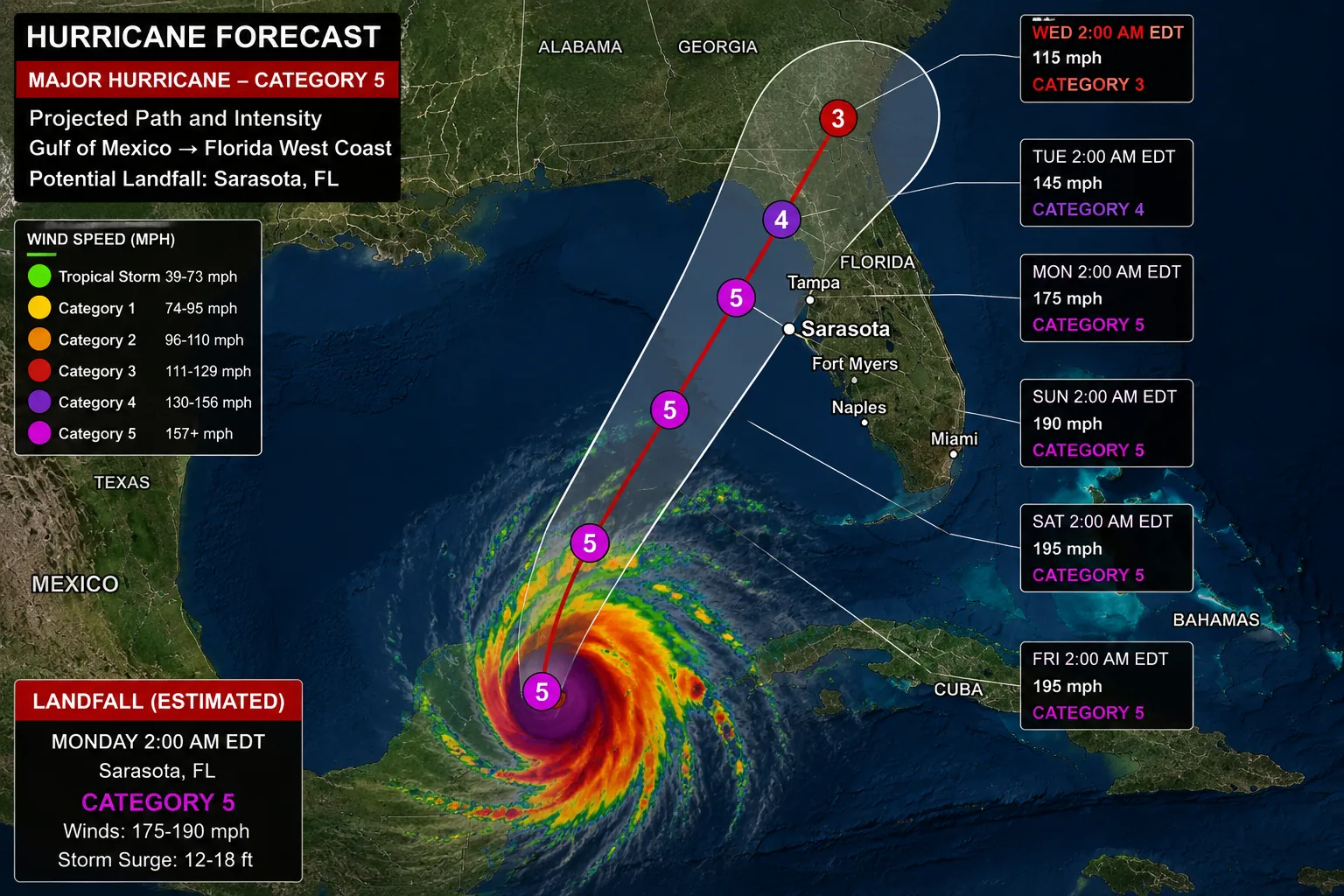
When a hurricane is approaching Florida, many homeowners focus on securing outdoor furniture, protecting windows, and stocking supplies. But one question often comes up regarding pool cages:
Should you remove or cut the screens before a major hurricane?
The answer may surprise you. In some situations, allowing wind to pass through the enclosure can actually reduce stress on the structure. However, the decision depends on the storm's intensity, the condition of the cage, and current local recommendations.
Why wind pressure is a problem
Pool cages are designed to withstand normal Florida weather, but hurricanes create a different challenge.
As powerful winds hit a screened enclosure, pressure builds against the screen mesh. While individual screen panels may seem lightweight, dozens of panels across an entire enclosure can create a large surface area that catches wind.
This pressure can:
- Stress structural connections
- Bend framing members
- Damage fasteners
- Increase the risk of enclosure failure
The stronger the storm, the greater the forces acting on the structure.
The theory behind removing screens
Many homeowners and contractors believe that removing some screen panels before a major hurricane allows wind to pass through the enclosure instead of pushing against it.
By reducing the "sail effect," the structure may experience less pressure and less overall stress.
The idea is simple:
Less resistance = less pressure on the cage.
This is especially discussed when a powerful hurricane is expected to make a direct impact.
Why some homeowners cut screens
When there isn't enough time to professionally remove screens, some homeowners choose to cut selected panels before landfall.
The goal is to:
- Create openings for airflow
- Reduce pressure buildup
- Potentially prevent larger structural failures
A few damaged screen panels are often much less expensive to replace than an entire collapsed enclosure. After the storm, rescreening is usually far cheaper than a full rebuild.
Important considerations
While this strategy is commonly discussed in Florida, it is not a guaranteed method of protecting a pool cage.
Every enclosure is different.
Factors include:
- Age of the structure
- Existing corrosion
- Quality of installation
- Hurricane cable condition
- Roof design
- Wind direction
- Storm intensity
An older cage with rusted screws and weakened framing may still suffer significant damage regardless of whether screens are removed. If your enclosure shows signs of corrosion or rust, address those issues well before a storm is on the radar.
Hurricane cables matter
If your pool cage has hurricane cables, they play an important role during severe weather.
These cables help:
- Distribute wind loads
- Reduce structural movement
- Reinforce key sections of the enclosure
Properly maintained hurricane cables, combined with a structurally sound enclosure, can improve overall performance during storms. Read more about hurricane wires in a pool cage, or ask about our hurricane cable service.
What you should do before hurricane season
Rather than waiting until a storm is days away, homeowners should prepare their enclosure throughout the year.
Recommended steps include:
- Replace rusted screws with marine-grade stainless steel screws
- Inspect hurricane cables
- Repair loose screen panels
- Address corrosion issues
- Remove debris from the roof
- Schedule a structural inspection if the cage is older
Preparation before hurricane season is far more effective than emergency repairs before landfall. Upgrading to stainless steel fasteners and keeping the frame in good condition gives your enclosure the best chance of surviving severe weather.
Final thoughts
For major hurricanes, some Florida homeowners choose to remove or cut screen panels to allow wind to flow through the enclosure and reduce pressure on the structure. In many cases, replacing a few screens is far less costly than rebuilding a damaged pool cage.
However, no enclosure is hurricane-proof, and the effectiveness of this approach depends on the condition of the structure and the severity of the storm.
The best defense is a well-maintained pool cage with sound framing, stainless steel fasteners, functioning hurricane cables, and regular inspections before hurricane season begins.
Disclaimer: Always follow guidance from local authorities, engineers, manufacturers, and building professionals. Hurricane conditions vary greatly, and no single preparation method can guarantee protection from storm damage.
Get your pool cage storm-ready
We can inspect your frame, fasteners, cables, and screens and recommend the right upgrades before hurricane season arrives.
Explore our hurricane cable, refurbishing, and screening services.